
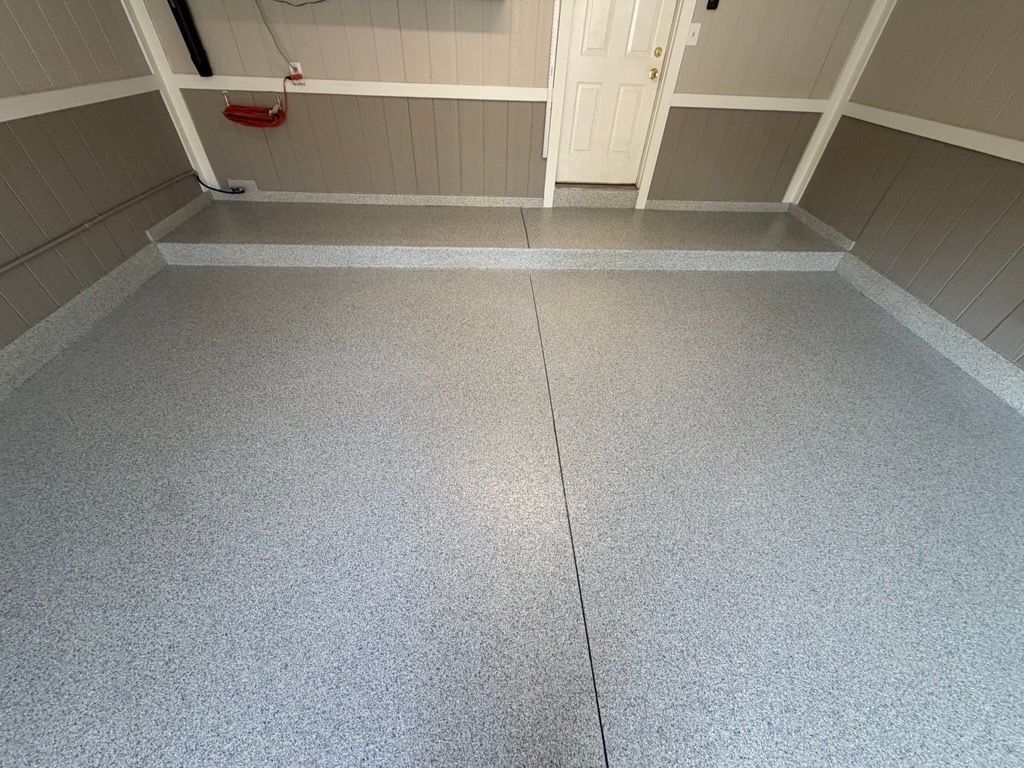
What a transformation! For this recently completed garage floor project in Macomb, MI, the homeowners chose Tidal Wave-a flake color that gave their garage a fresh, eye-catching finish. A garage floor takes on a lot: parked cars, foot traffic, tools, and everyday messes. A professionally installed floor coating helps protect the concrete while making the space feel cleaner and more finished. In this Macomb garage, the Tidal Wave color brought new life to a space that often gets overlooked. The result is a garage the homeowners can feel good about using and showing off. It's a great example of how changing the floor can change the feel of the entire space. At Pro Tech Epoxy Flooring , we help homeowners choose garage floor colors and finishes that fit their style and the way they use their space. Whether you want a subtle, classic look or a color that makes a statement, we'd love to help you explore the options. Ready to transform your garage floor in Macomb, MI? Contact Pro Tech Epoxy Flooring before the weather changes; we want to discuss your project and provide you with a FREE estimate.
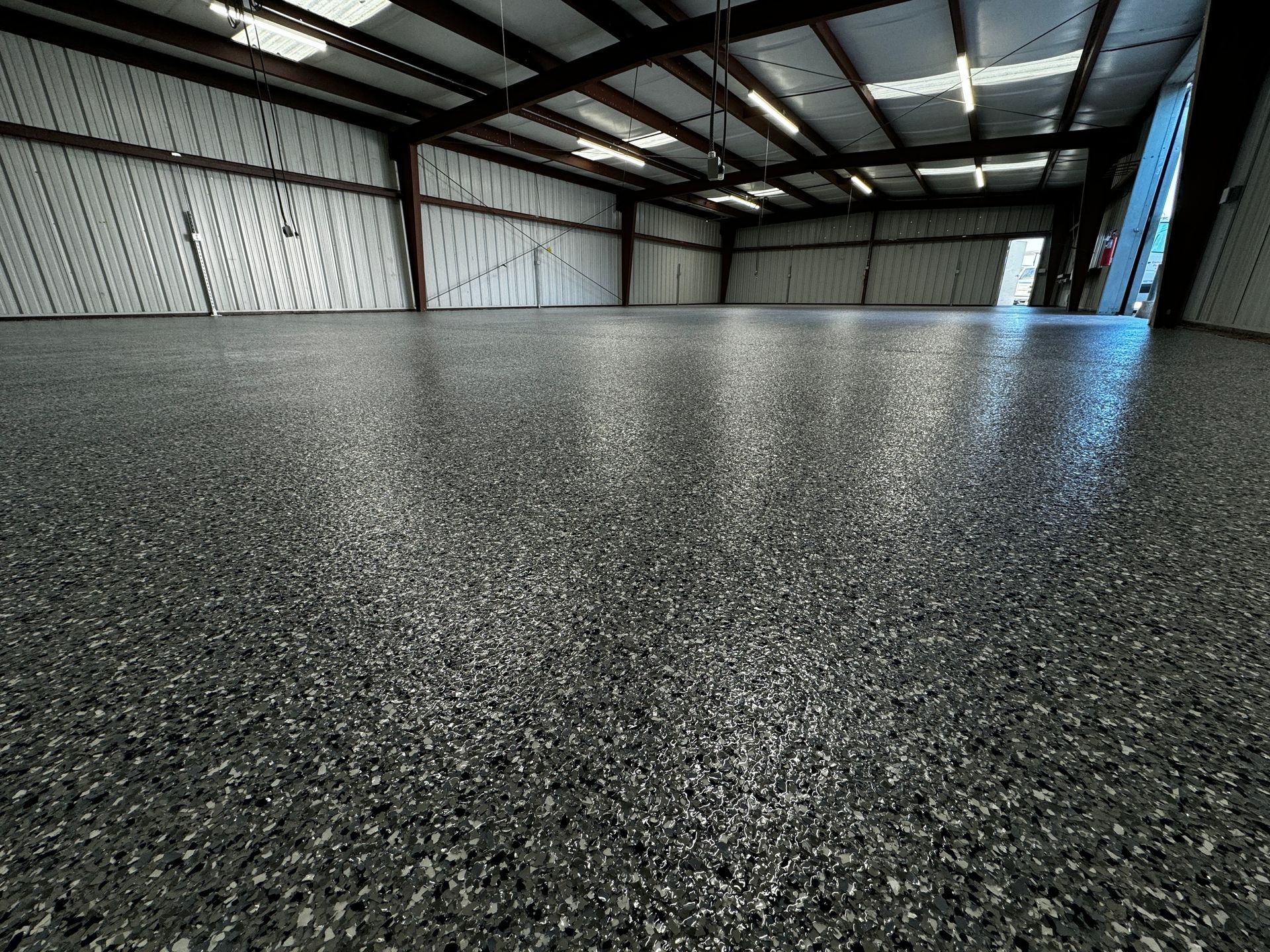
ProTech Concrete Coatings recently completed another impressive garage floor transformation right here in Shelby Township, Michigan. For this project, our team upgraded a spacious three-car garage with a decorative epoxy flake system in the popular Domino color blend . The new coating transformed the unfinished concrete into a clean, bright and polished surface while providing the durability needed for vehicles, storage and everyday garage use. A Clean, Modern Look With the Domino Flake Blend The Domino blend features a timeless combination of contrasting neutral tones that creates a crisp, high-end appearance. Its decorative flakes add texture and visual depth while helping conceal dust, dirt and minor imperfections between cleanings. Domino complements a wide variety of garage styles, wall colors, cabinets and storage systems, making it an excellent choice for homeowners who want a modern floor that will remain stylish for years. Built for a Busy Three-Car Garage A three-car garage needs flooring that can withstand frequent vehicle traffic, hot tires, automotive fluids and Michigan’s changing seasons. Snow, moisture and road salt can quickly stain and damage untreated concrete. A professionally installed epoxy floor coating provides a seamless protective surface that is: Durable enough for daily vehicle traffic Resistant to stains, moisture and road salt Easier to clean than unfinished concrete Attractive and professionally finished Ideal for parking, storage, hobbies or a home workshop For this Shelby Township homeowner, the finished Domino floor made the entire garage feel cleaner, brighter and more like a finished extension of the home. Professional Concrete Preparation Makes the Difference A beautiful garage floor must be built on proper preparation. Before applying the coating system, our team mechanically prepares the concrete to create the correct surface profile for strong adhesion. Cracks and minor imperfections are repaired as needed before the epoxy base coat and decorative flakes are installed. The system is then sealed with a durable protective topcoat to help defend the floor against abrasions, chemicals, moisture and everyday wear. Careful preparation and professional installation help prevent common coating problems such as peeling, bubbling and premature failure. Transform Your Shelby Township Garage Whether you have a one-, two- or three-car garage, ProTech Concrete Coatings can transform stained or unfinished concrete into a durable, easy-to-maintain surface designed for Michigan homes. If you are considering a Domino epoxy garage floor in Shelby Township, MI , contact our local team to explore available colors and coating options. Call 586-201-5132 today to schedule your free estimate.
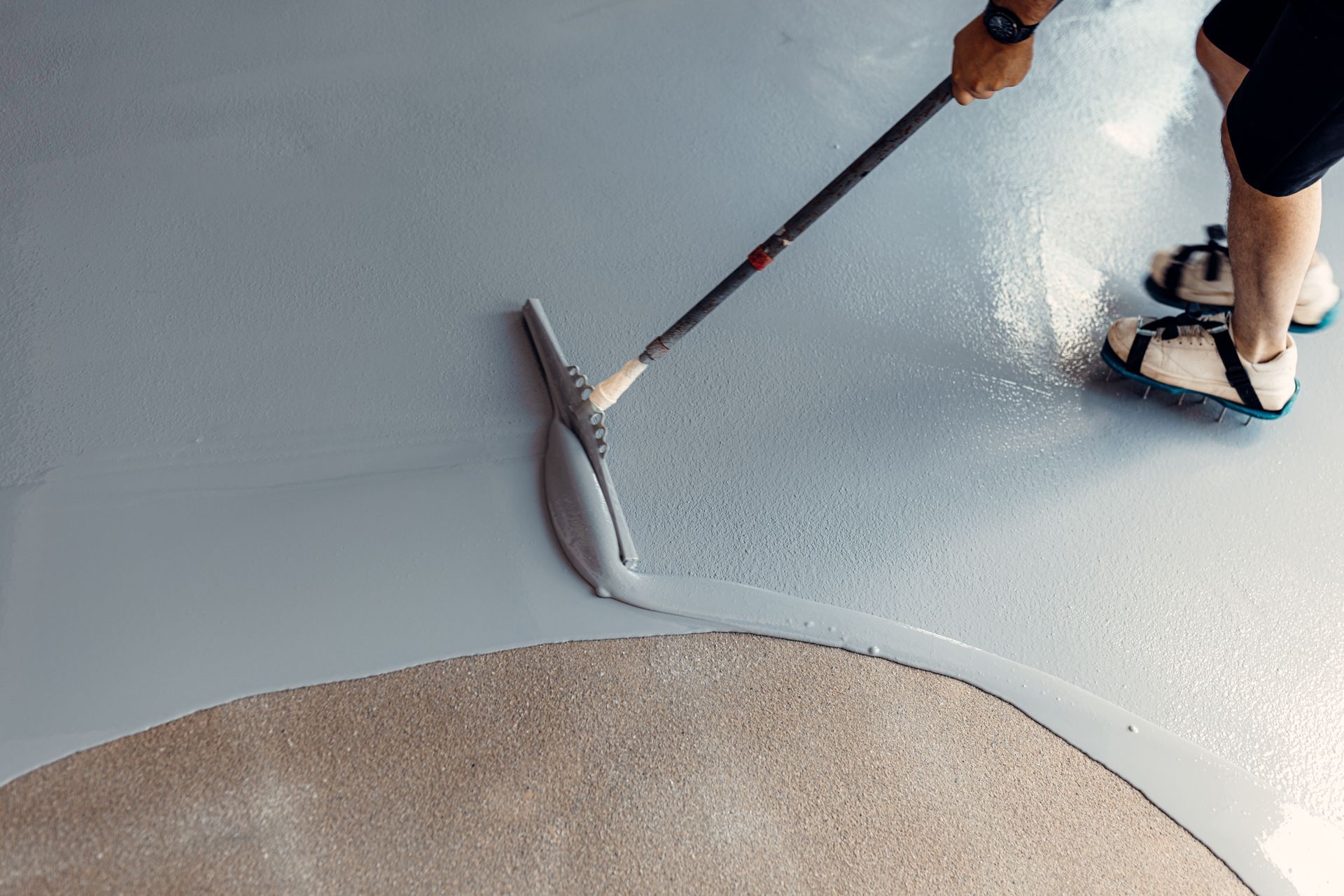
Learn how long epoxy floor coating lasts in Oakland County, MI with Protech Concrete Coatings. Call today for expert prep and durable systems.

Learn how epoxy floors are installed step by step. Serving Oakland County, MI, Protech Concrete Coatings offers expert prep, coating, and cure. Call today.
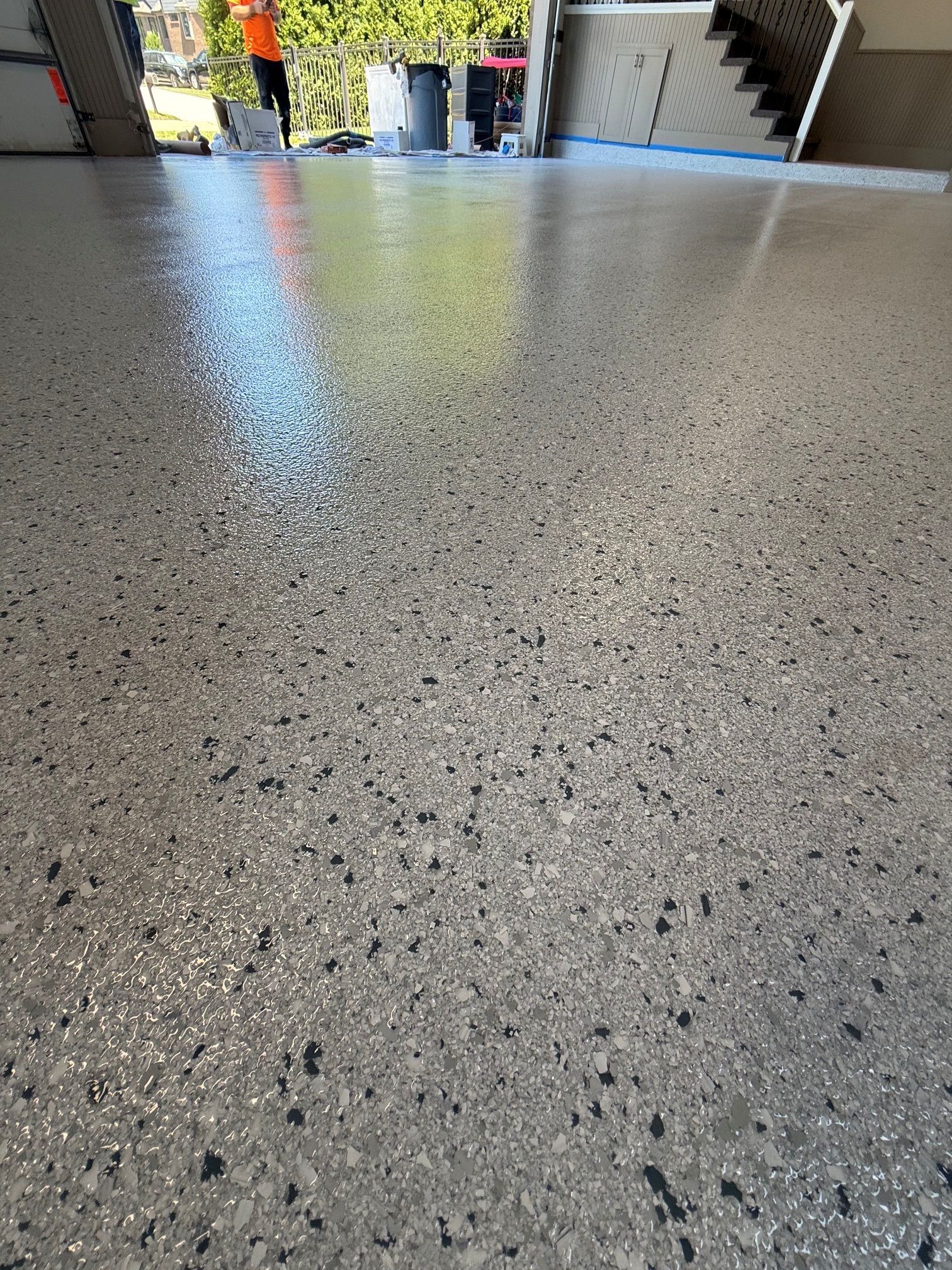
Premium Garage Floor Coating Installed by Protech Concrete Coatings in Shelby Township, MI Luxury homes deserve finishes that are built to perform while complementing the overall design of the property. Recently, the team at Protech Concrete Coatings completed a stunning decorative flake epoxy garage floor with an integral cove base for a homeowner in Bloomfield Hills, MI . The finished garage now offers a clean, seamless appearance with exceptional durability that stands up to Michigan's demanding weather conditions. Protech Concrete Coatings is based in Shelby Township and serves homeowners throughout Metro Detroit with professional concrete coating solutions backed by more than 22 years of experience. ( ProTech Concrete Coatings ) Why This Bloomfield Hills Homeowner Chose a Flake Epoxy Garage Floor Garage floors in Bloomfield Hills experience constant exposure to: Snow and ice Road salt Moisture Oil and automotive fluids Heavy vehicle traffic Seasonal freeze-thaw cycles Over time, untreated concrete begins to crack, stain, pit, and produce dust. A professionally installed flake epoxy flooring system creates a seamless protective barrier that preserves the concrete while dramatically improving the appearance of the entire garage. ( ProTech Concrete Coatings ) What Is an Integral Cove Base? One feature that makes this project stand out is the integral epoxy cove base . Instead of ending the coating where the floor meets the wall, the epoxy system is continued several inches up the wall, creating a smooth, curved transition between the floor and the vertical surface. Benefits include: Creates a seamless, finished appearance Prevents dirt and dust from collecting in corners Makes cleaning significantly easier Protects drywall and lower walls from moisture Adds a high-end, commercial-quality finish Eliminates exposed concrete edges For homeowners who want their garage to look as polished as the rest of their home, an integral cove base provides both beauty and function. The Installation Process Every Protech Concrete Coatings installation begins with proper surface preparation because long-term performance depends on what happens before the coating is applied. For this Bloomfield Hills project, the process included: Diamond grinding the concrete surface Repairing cracks and minor imperfections Preparing the cove base Applying a premium epoxy base coat Broadcasting decorative vinyl flakes for full coverage Removing excess flakes Applying a durable protective topcoat Proper mechanical preparation ensures maximum adhesion and helps prevent peeling or premature coating failure. ( ProTech Concrete Coatings ) Decorative Flake Flooring Offers More Than Great Looks Decorative flake epoxy flooring has become one of the most popular garage flooring systems for Michigan homeowners. Advantages include: Slip-resistant texture Excellent stain resistance Protection from road salt UV-stable finish Easy maintenance Long-lasting durability Wide selection of flake color blends The decorative flakes also help conceal minor imperfections in older concrete while creating a beautiful, custom finish. Perfect for Luxury Homes in Bloomfield Hills Many homeowners in Bloomfield Hills use their garages for much more than parking vehicles. Today's garages often serve as: Home gyms Golf cart storage Workshops Hobby spaces Luxury vehicle storage Organized storage areas An epoxy flake floor with an integral cove base transforms an unfinished concrete garage into a clean, bright extension of the home. Why Homeowners Choose Protech Concrete Coatings Located in Shelby Township, MI , Protech Concrete Coatings proudly serves homeowners throughout Bloomfield Hills and Metro Detroit with premium residential concrete coating systems. Homeowners choose Protech because they offer: Over 22 years of industry experience Professional surface preparation High-performance epoxy flooring systems Decorative flake and metallic epoxy options Licensed and insured service Free estimates Outstanding craftsmanship and customer service ( ProTech Concrete Coatings ) Ready to Upgrade Your Garage Floor? If your garage floor is stained, cracked, or simply unfinished, a professionally installed flake epoxy garage floor with an integral cove base can completely transform the space. Whether you live in Bloomfield Hills, Birmingham, Rochester Hills, Troy, Novi, West Bloomfield, Clarkston, or anywhere in Metro Detroit , Protech Concrete Coatings delivers beautiful, durable flooring systems built to withstand Michigan's climate. Contact Protech Concrete Coatings in Shelby Township, MI today to schedule your free estimate and discover how a premium epoxy garage floor can add lasting value, durability, and style to your home.
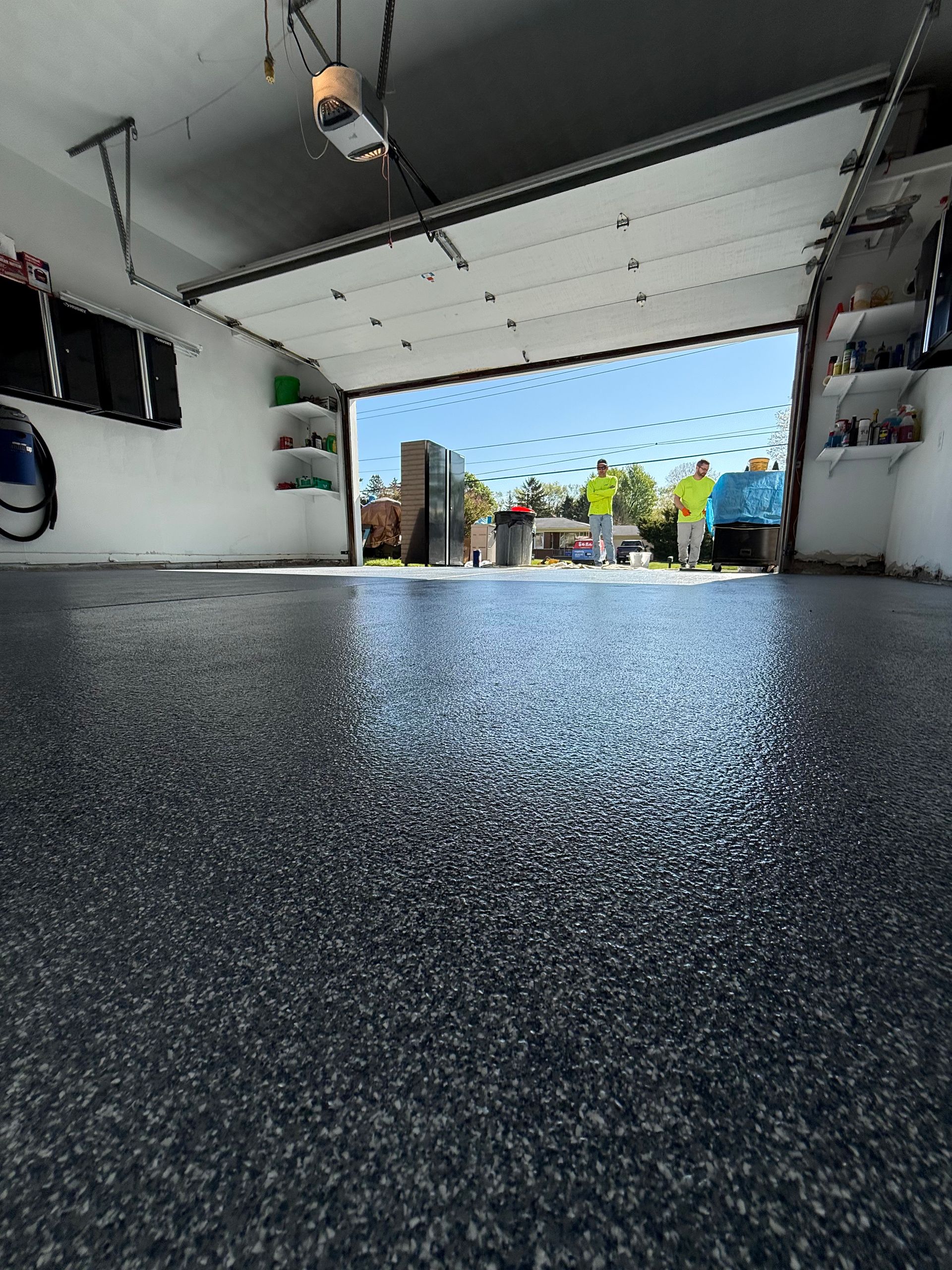
At Protech Epoxy and Concrete C oatings , we recently completed another beautiful garage floor coating installation in Shelby Township — transforming a standard 2-car garage into a clean, durable, and modern space built to last. Premium Flake Epoxy System with Polyaspartic Protection For this project, the homeowner wanted a floor that looked sleek while also standing up to Michigan’s changing seasons, road salt, hot tires, and everyday garage use. We installed a high-performance flake epoxy flooring system finished with a durable polyaspartic topcoat for long-lasting protection and shine. Project Details Location: Shelby Township Garage Size: 2-Car Garage System Installed: Flake Epoxy Flooring Topcoat: Polyaspartic Clear Coat Color Blend: Midnight 1/16” Why Homeowners Love Flake Epoxy Flooring Flake epoxy flooring systems continue to be one of the most popular choices for residential garages because they offer both style and performance. The decorative flakes create texture and dimension while helping conceal dust and minor imperfections. Our polyaspartic topcoat adds: Excellent UV resistance Increased durability against chemicals and abrasions Easy-to-clean surfaces A glossy, professional finish Faster cure times compared to traditional coatings The “Midnight” color blend gave this garage a bold, modern appearance with a clean finish that instantly upgraded the entire space. Concrete Preparation Matters Every successful garage floor coating starts with proper concrete preparation. Before applying the coating system, our team mechanically ground the concrete surface to ensure maximum adhesion and long-term performance. This critical step helps prevent peeling and ensures the coating bonds correctly to the concrete. Upgrade Your Shelby Twp. Garage Floor Whether you use your garage for parking, storage, hobbies, or entertaining, a professionally installed epoxy floor coating can dramatically improve both appearance and functionality. If you're looking for garage floor coatings in Shelby Township or surrounding areas, Protech Epoxy and Concrete Coatings delivers durable, high-quality flooring solutions built for Michigan homes.
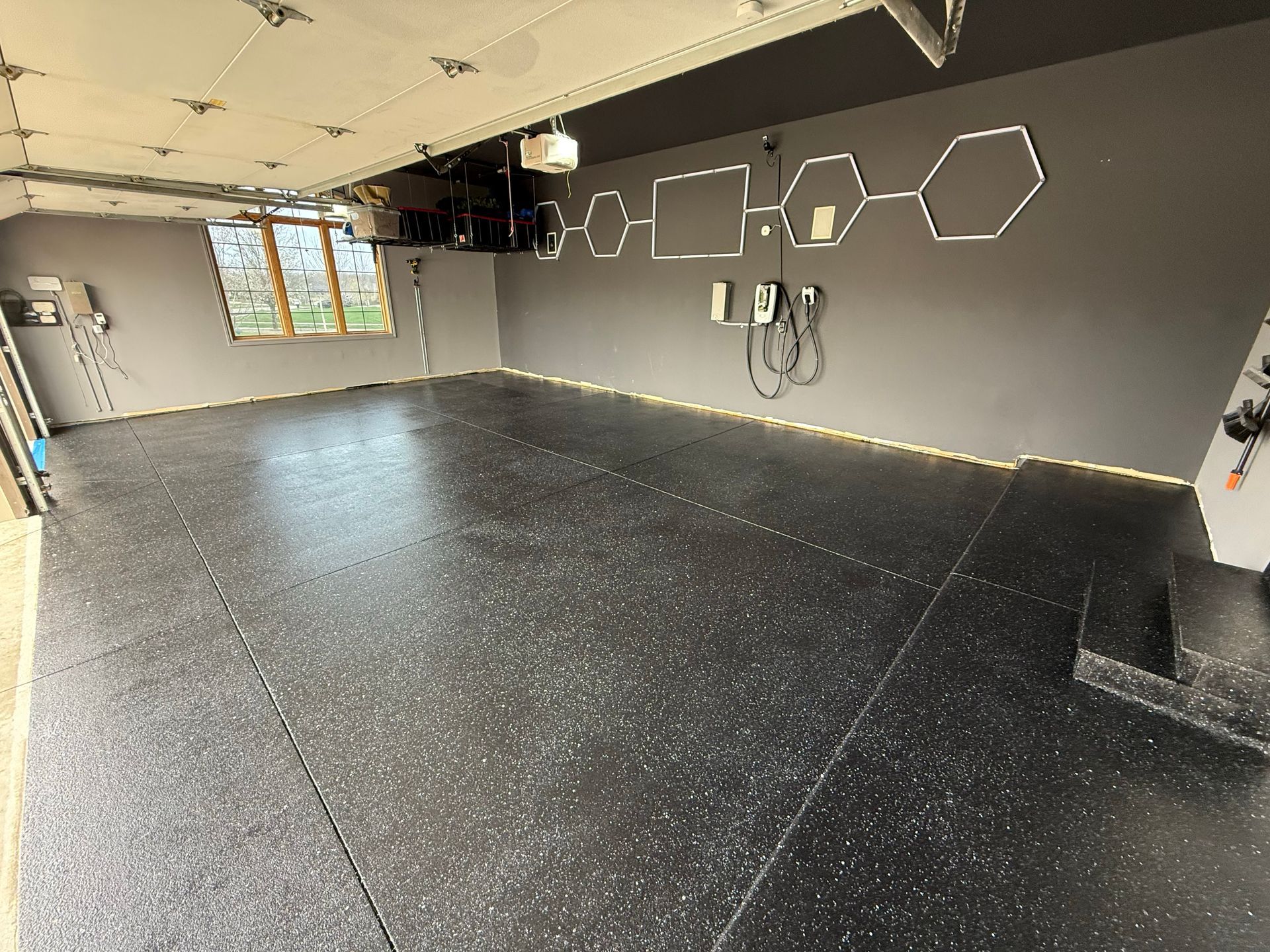
Homeowners in Oakland Township are continuing to upgrade their garages into clean, durable, and functional extensions of their homes — and this recent 3-car garage transformation by Protech Concrete Coatings is a perfect example. For this project, our team installed a premium flake epoxy flooring system finished with a high-performance polyaspartic top coat in the popular “Crescent Moon” color blend. The result is a modern, polished garage floor designed to withstand Michigan’s demanding seasons while dramatically improving the overall appearance of the space. Why This Oakland Township Homeowner Chose Epoxy Flooring Garage floors in Michigan take a beating from road salt, snow, moisture, oil stains, and heavy vehicle traffic. Traditional concrete surfaces can quickly become stained, cracked, and difficult to maintain. This homeowner wanted: A cleaner, more finished appearance Protection against salt and moisture damage A floor that is easy to clean and maintain Long-lasting durability for a busy 3-car garage Our flake epoxy system with a polyaspartic top coat delivers all of these benefits while adding a custom decorative finish that elevates the entire garage. The Crescent Moon Color Blend The “Crescent Moon” flake blend offers a sophisticated mix of gray, white, black, and subtle accent tones that complement a wide range of home styles. It creates a clean, modern appearance while helping conceal dust and everyday debris between cleanings. This color has become an increasingly popular choice for homeowners looking for a timeless, high-end garage floor finish. Our Garage Floor Coating Process Every project completed by Protech Concrete Coatings begins with proper concrete preparation to ensure maximum adhesion and long-term durability. For this Oakland Township project, our process included: Professional diamond grinding of the concrete surface Repairing minor imperfections and cracks Application of a premium epoxy base coat Full flake broadcast using the Crescent Moon blend Durable polyaspartic top coat installation for UV and chemical resistance The polyaspartic top coat helps protect the floor from hot tire pickup, abrasions, chemicals, and fading while providing a beautiful finished sheen. Benefits of Polyaspartic Garage Floor Coatings Polyaspartic coatings have become one of the top choices for residential garage flooring because they offer: Fast cure times Excellent durability UV stability Chemical and stain resistance Long-lasting performance Easy maintenance Combined with a decorative flake system, homeowners receive both functionality and a premium showroom-style appearance. Garage Floor Coatings in Oakland Township & Metro Detroit Protech Concrete Coatings proudly provides professional epoxy and polyaspartic floor coating services throughout Oakland Township and the surrounding Metro Detroit communities. Whether you are looking to transform your garage, basement, patio, or commercial space, our team delivers high-quality concrete coating solutions built to last. Contact Protech Concrete Coatings today to schedule your free estimate for garage floor coatings in Oakland Township, MI.
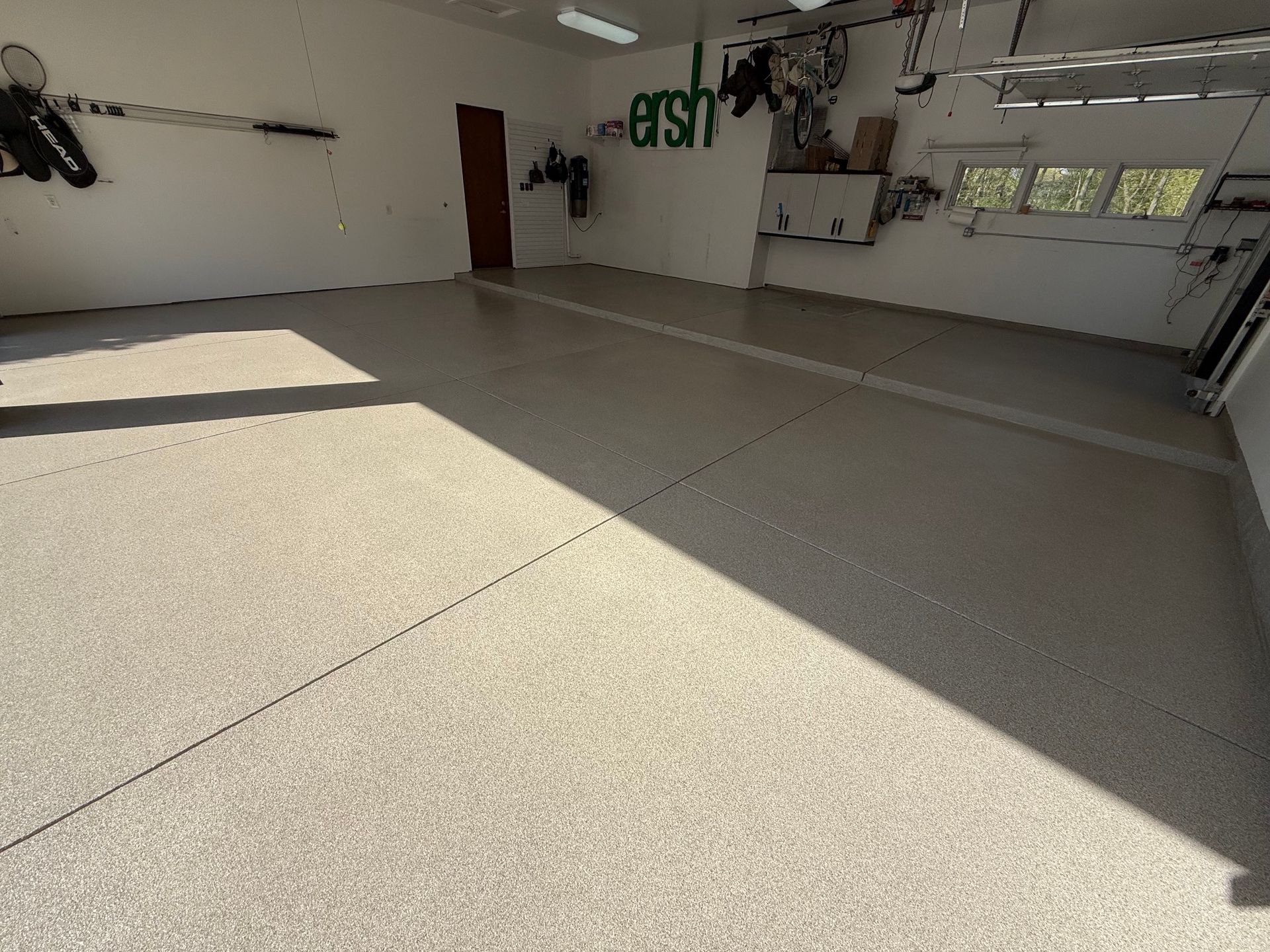
At Protech Epoxy and Concrete Coatings , we recently completed a stunning 4-car garage floor transformation for a homeowner in Bloomfield Hills. This project featured a durable flake epoxy flooring system finished with a premium polyaspartic topcoat for long-lasting protection, easy maintenance, and a clean modern look. For this garage, the homeowner selected the popular Creekbed 1/16” flake blend, which combines natural earth tones with a professional finish that complements nearly any garage design. The decorative flake system not only enhances the appearance of the concrete but also helps conceal dirt, dust, and everyday wear. Our team began by thoroughly preparing the concrete surface using professional grinding equipment to ensure maximum adhesion. We then applied a high-performance epoxy basecoat, broadcast the Creekbed flake blend for full coverage, and sealed the floor with a durable polyaspartic topcoat. This topcoat provides superior resistance to hot tire pickup, stains, chemicals, abrasions, and UV exposure. The finished result is a seamless, easy-to-clean garage floor built to handle Michigan’s changing seasons while giving the space a showroom-quality appearance. Whether used for vehicle storage, hobbies, entertaining, or additional workspace, this new floor completely upgraded the functionality and look of the garage. If you are looking to upgrade your garage floor in Bloomfield Hills or throughout Southeast Michigan, Protech Epoxy and Concrete Coatings delivers professional epoxy flooring systems designed for beauty, durability, and long-term performance.
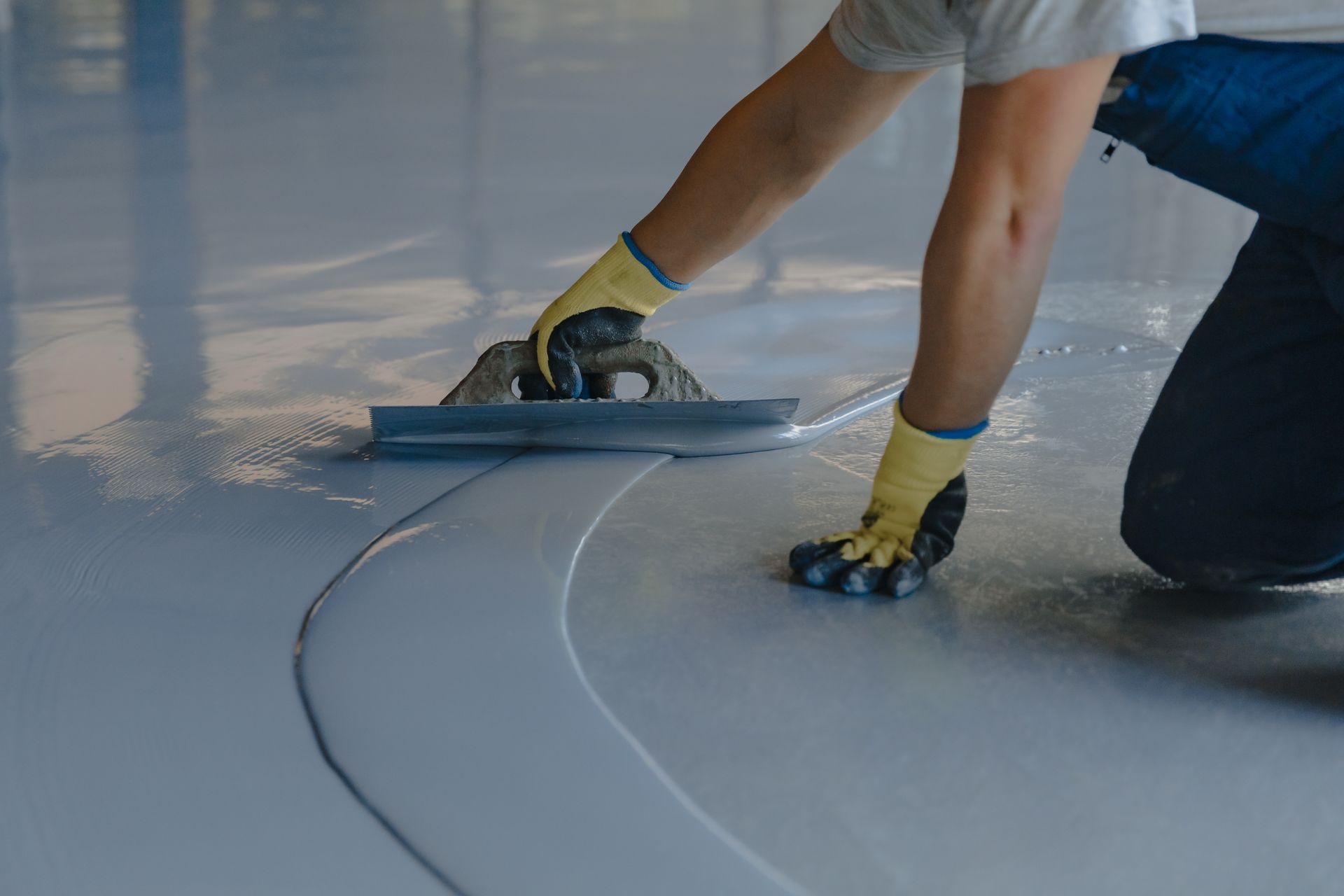
Upgrade with epoxy flooring in Shelby Township, MI. Call Protech Concrete Coatings at 586-201-5132 today for a durable garage solution.
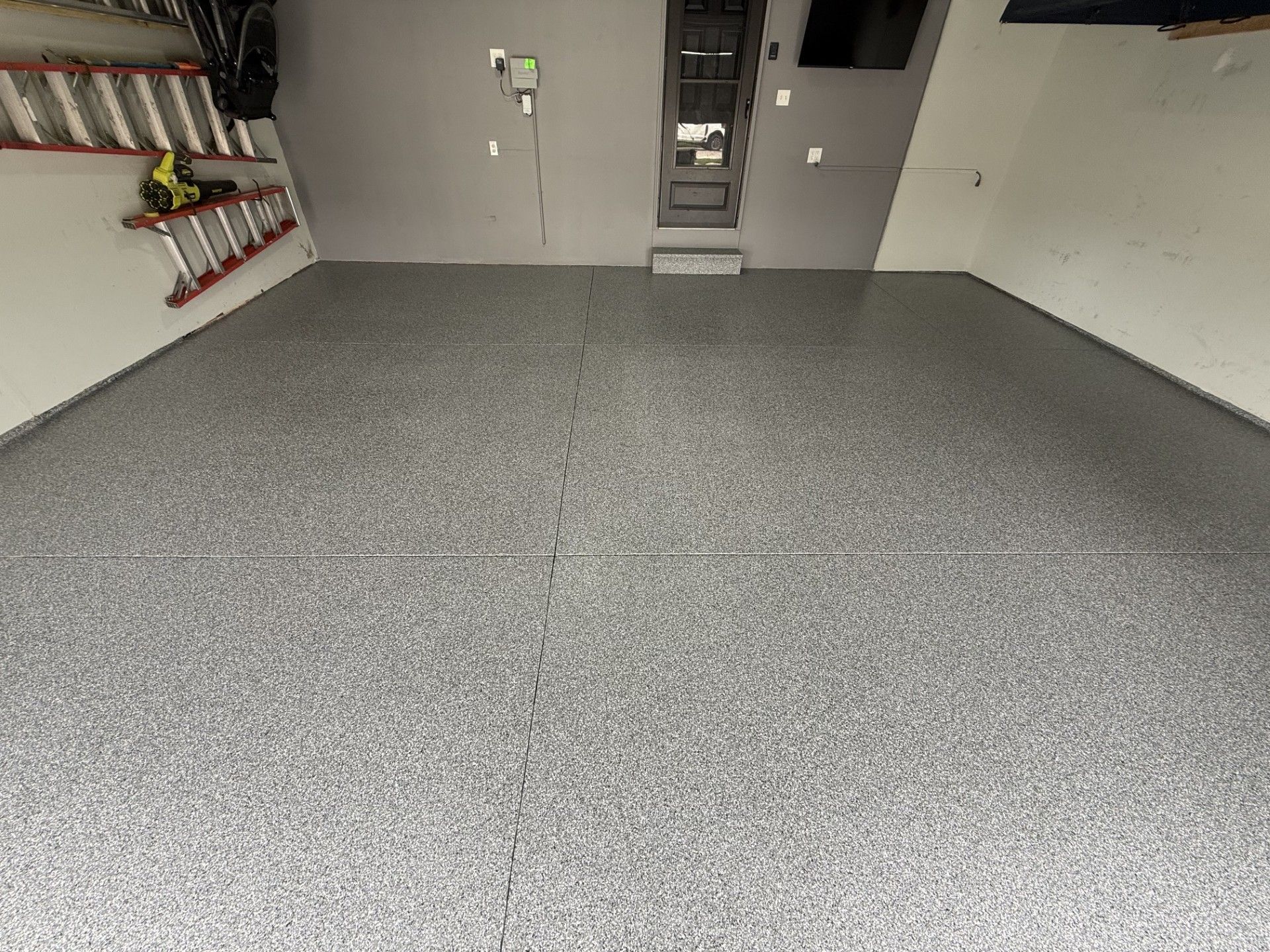
We recently completed a stunning flake epoxy floor with a polyaspartic topcoat for a happy homeowner right here in Macomb Township — and the results speak for themselves.